
Judith Martin, affectionately known as Miss Manners, has expertly navigated social complexities for over forty years. Her guidance offers timeless principles,
witty observations, and solutions for life’s most challenging interactions, ensuring exquisitely correct behavior in any situation.
The Enduring Relevance of Proper Conduct
Miss Manners’ enduring appeal stems from her belief that good manners aren’t merely about antiquated rules, but a foundational element for fostering harmonious social interactions. In a world increasingly characterized by informality and perceived declining standards, her guidance provides a crucial framework for navigating relationships with grace and respect.

Her approach isn’t about rigid adherence to tradition for tradition’s sake; rather, it’s about understanding the underlying principles of consideration, politeness, and thoughtful communication. These principles remain remarkably relevant, even – and perhaps especially – in contemporary life.
Miss Manners consistently emphasizes that proper conduct isn’t about superiority, but about easing social friction and demonstrating respect for others. It’s a practical philosophy for building stronger communities and fostering a more civil society, offering a refreshing counterpoint to the often-uncivil discourse prevalent today.
A Historical Overview of Miss Manners’ Advice
Judith Martin, adopting the persona of Miss Manners in 1978, revitalized the advice column format, moving beyond simple rule-following to a nuanced exploration of social dynamics. Her column initially appeared in the Washington Post, quickly gaining a devoted readership drawn to her witty and insightful responses to readers’ dilemmas.
Prior to Miss Manners, etiquette advice often focused on strict adherence to Victorian-era customs. Martin, however, presented a more adaptable approach, acknowledging evolving social norms while upholding core principles of consideration and respect. She built upon the legacy of earlier etiquette authorities, but infused it with a modern sensibility.
Over four decades, Miss Manners has addressed a vast range of social issues, from navigating technology to handling difficult family members, consistently offering practical and thoughtful guidance rooted in a deep understanding of human behavior and the importance of social harmony.

Navigating Social Interactions
Miss Manners expertly illuminates the subtle rules governing everyday encounters, from elevators to luncheons, ensuring graceful conduct and minimizing awkwardness in all social settings.
Elevator Etiquette: A Surprisingly Complex Topic
Miss Manners acknowledges that despite elevators existing for over 150 years, a codified system of manners remains surprisingly absent. Entering, one should allow exiting passengers to disembark first, a basic courtesy often overlooked. Facing forward demonstrates respect for personal space, avoiding intrusive staring.
If space is limited, a polite acknowledgement – a nod or brief verbal greeting – suffices; Initiating conversation is generally discouraged unless already acquainted with fellow riders. Pressing one’s floor number promptly prevents delays for others.
Should the elevator become crowded, minimizing physical contact is paramount. Apologizing for accidental brushes is essential. Upon reaching one’s destination, a simple “Excuse me” facilitates a smooth exit. Remember, even in these confined spaces, consideration and grace are always expected;
Handling Food and Drink at Social Gatherings
Miss Manners observes that navigating food and drink at social events requires finesse. When presented with bagels, lox, and cream cheese – increasingly substantial in size – discreetly manage portions to avoid messiness. Cutting a bagel neatly is paramount; avoid excessive force.
Regarding toasts, accepting a beverage is customary, even if one doesn’t intend to consume the entire amount. A polite sip demonstrates participation and respect for the host. If declining, a gracious explanation – “I’m pacing myself” – is preferable to a blunt refusal.
Never engage in boisterous behavior or overindulge. Remember, moderation and consideration for fellow guests are key; Maintaining a refined demeanor, even amidst lively conversation, reflects impeccable manners.
Bagels, Lox, and Cream Cheese: A Modern Dilemma
Miss Manners acknowledges the evolving challenge posed by oversized bagels laden with lox and cream cheese. The sheer volume presents a potential for social disaster. One must approach with strategic precision. Cutting the bagel horizontally, rather than attempting to bisect it vertically, offers greater stability.
Employing a fork and knife, while perhaps unconventional, is perfectly acceptable – even encouraged – to maintain composure. Avoid overfilling the bagel, preventing unsightly spillage. Discreetly manage any escaping cream cheese with a napkin, never drawing attention to the mishap.
Remember, the goal is graceful consumption. Prioritize neatness and avoid creating a spectacle. A refined approach to this modern dilemma demonstrates impeccable manners and consideration for one’s surroundings.
Accepting or Declining Beverages During Toasts
Miss Manners addresses the delicate matter of toasts and beverage participation. Should a colleague abstain, as occurred at a company party, a gentle admonishment, even if “good-natured,” is nonetheless improper. One’s personal choices regarding alcohol are sacrosanct and should never be questioned publicly.
If offered a beverage you wish to decline, a simple “No, thank you” suffices. Avoid lengthy explanations or apologies. Should a toast be proposed while you are not drinking, raise your glass with water or another non-alcoholic beverage in a gesture of solidarity.
The spirit of a toast is inclusivity and goodwill, not coercion. Respecting individual preferences is paramount. Maintaining a gracious demeanor, regardless of your choice, exemplifies impeccable etiquette and consideration for others.
Common Area Courtesy in Residential Buildings
Miss Manners emphasizes that politeness extends beyond one’s private residence, encompassing all shared spaces within a building. Residents have a duty to be considerate when traversing hallways, elevators, and other common areas, particularly when engaged in necessary tasks like trash disposal.
Noise levels should be minimized, especially during late hours. Acknowledging neighbors with a polite nod or greeting demonstrates respect. Elevators are not private spaces; allow others to enter and exit comfortably, and refrain from overly loud conversations.
Maintaining cleanliness is crucial. Promptly address any messes created, and avoid obstructing pathways. Thoughtful behavior in common areas fosters a harmonious living environment for all residents, reflecting impeccable manners.
Addressing Awkward Situations
Miss Manners expertly guides us through social discomfort, advocating graceful responses to challenging moments. Tact and consideration are paramount when navigating potentially embarrassing encounters.
Responding to Good-Natured Admonishment
Miss Manners addresses the delicate situation of being gently corrected, as often occurs during celebratory toasts. When a colleague politely questioned a refusal of wine at a company party, a graceful response is crucial. A simple acknowledgement of the social expectation, coupled with a firm but polite reiteration of one’s choice, is ideal.
Avoid defensiveness or lengthy explanations; brevity is key. A lighthearted “Thank you for thinking of me, but I’m abstaining tonight” suffices. The goal isn’t to debate the merits of drinking, but to acknowledge the social cue while maintaining personal boundaries. Remember, good-natured ribbing is often a display of affection, but it doesn’t necessitate compliance.
Responding with humor, if appropriate, can diffuse tension. However, ensure the humor doesn’t undermine your initial decision. Maintaining composure and a pleasant demeanor demonstrates both politeness and self-assurance, upholding the principles of considerate interaction.
Dealing with Unwanted Social Pressure
Miss Manners firmly advocates for the right to refuse, particularly concerning alcohol. When faced with pressure to partake in something you’ve declined – be it a drink during a toast or any other social activity – a polite but resolute response is paramount. Repeated requests, even playfully, constitute unwelcome pressure and should be addressed directly.
A simple, unwavering “No, thank you” is often sufficient. Avoid offering elaborate excuses, as these invite further debate. If the pressure persists, a slightly firmer, yet still courteous, statement like “I appreciate the offer, but I’m quite comfortable as I am” can be employed.
Remember, politeness doesn’t equate to acquiescence. You are entitled to your boundaries, and asserting them gracefully is a demonstration of self-respect and considerate behavior towards others, preventing awkwardness and maintaining social harmony.
The Right to Refuse Alcohol
Miss Manners unequivocally champions the individual’s right to decline alcohol without explanation or apology. The insistence on drinking, even presented as “good-natured” admonishment, is a breach of etiquette. A firm, polite “No, thank you” is the perfectly acceptable and sufficient response. Elaborate justifications only invite further pressure and diminish your assertion of personal choice.
Should a colleague persist after an initial refusal, a gentle but direct restatement is warranted. Phrases like, “I truly appreciate the offer, but I am not drinking tonight,” firmly yet politely reinforce your decision.
Remember, offering alcohol is a gesture of hospitality, not an obligation. Accepting or declining should be a freely made choice, respected by all. Prioritizing personal comfort and boundaries is paramount, and refusing a drink is a perfectly legitimate exercise of that right.
Managing Social Interactions with Colleagues
Miss Manners stresses maintaining professional boundaries while fostering amiable relationships with colleagues. Workplace social events require a heightened awareness of decorum. Avoid overly personal disclosures or gossip, focusing instead on neutral topics like current events or shared interests. Remember, these gatherings are extensions of the professional environment, albeit more relaxed.
Navigating company parties demands tact. While a degree of informality is permissible, refrain from excessive indulgence or behavior that could compromise your professional reputation. Be mindful of conversational volume and avoid dominating discussions.
Politely engage with all colleagues, regardless of your personal feelings. A gracious demeanor and respectful communication are essential for maintaining a harmonious workplace atmosphere. Prioritize professionalism and courtesy in all interactions.
The Nuances of Language and Expression
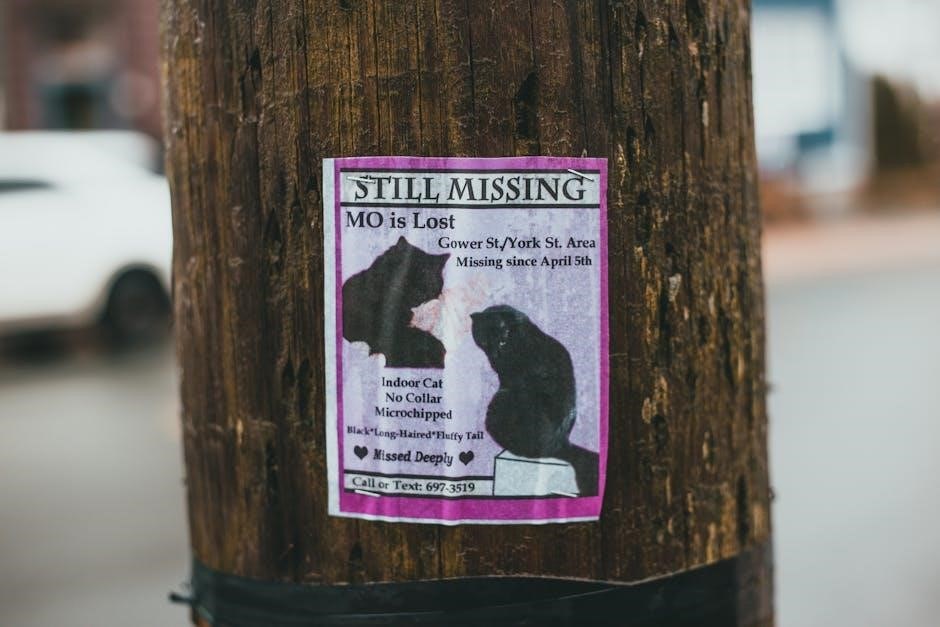
Miss Manners keenly observes how language evolves, noting the shifting meanings of terms like “miss.” Context dictates interpretation – address, longing, or simply absence.
Understanding the Multiple Meanings of “Miss”
Miss Manners acknowledges the surprisingly layered history of the word “miss.” It’s a deceptively simple term carrying a weight of social and emotional nuance. Traditionally, “miss” functioned as a title for unmarried women, a polite designation reflecting societal norms. However, its usage extends far beyond mere formality.
The word also embodies a poignant sense of longing and loss, as evidenced by the common expression “I miss you.” This conveys a feeling of absence and a desire for someone’s presence. Interestingly, online discussions reveal interpretations linking “miss” to stages of life – encountering someone in childhood, yearning in adolescence, and regretting a lost connection in adulthood.
Furthermore, the Korean entertainment group, miss A, demonstrates how “miss” can be adopted creatively within branding. Miss Manners would likely emphasize that understanding these varied connotations is crucial for precise and considerate communication, avoiding unintended implications and ensuring graceful social interactions.
“Miss” as a Term of Address
Miss Manners firmly establishes that employing “miss” as a formal title requires careful consideration. Historically, it denoted the marital status of a woman – specifically, an unmarried female. However, its contemporary application is fraught with potential for misstep. Directly addressing a woman as “miss” without prior knowledge of her marital status is now generally considered presumptuous and potentially offensive.
The assumption of unmarried status can be deeply unwelcome. Modern etiquette dictates erring on the side of caution. Using “Ms.” – a title applicable to women regardless of marital status – is the safest and most respectful approach unless explicitly invited to use “miss.”
Miss Manners would stress that sensitivity and respect are paramount. While the term retains a nostalgic charm, its practical application demands a nuanced understanding of evolving social conventions; Prioritizing the comfort and dignity of the individual always supersedes adherence to outdated formalities.
“Miss” Expressing Longing and Loss
Miss Manners acknowledges the deeply emotional weight carried by “miss” when used not as a title, but as an expression of yearning. The phrase “I miss you” transcends mere politeness, venturing into the realm of heartfelt sentiment and vulnerability. It signifies a poignant absence and a desire for reconnection.

However, even in this context, Miss Manners cautions against excessive or performative displays of missing someone. While genuine expression is encouraged, dwelling excessively on loss can inadvertently burden the recipient. A simple, sincere expression is often most effective.
Furthermore, the phrase can also subtly convey regret – “I miss the way things were.” Miss Manners advises framing such sentiments carefully, avoiding accusatory tones or attempts to manipulate the situation. Focus on the positive memories, rather than dwelling on what is lost, maintaining grace and consideration.
The Evolution of Social Norms and Language
Miss Manners keenly observes that etiquette isn’t static; it’s a constantly evolving reflection of societal shifts. The meaning of words, like “miss,” demonstrates this fluidity. Once solely a title for unmarried women, it now encompasses longing, loss, and even a nostalgic sentimentality, as evidenced by contemporary usage.
This evolution demands adaptability. Rigid adherence to outdated rules, Miss Manners argues, is less about politeness and more about pedantry. True refinement lies in understanding the spirit of etiquette – consideration, respect, and ease – and applying it to modern contexts.
The rise of independent music, exemplified by artists like Mr.Miss, signals a cultural shift towards individuality. Miss Manners acknowledges this, emphasizing that even within evolving norms, basic courtesy remains paramount. Navigating these changes requires sensitivity and a willingness to understand differing perspectives.

Miss Manners’ Core Principles
Politeness and consideration are foundational. Adapting etiquette to contemporary life, while upholding respect and harmony, ensures graceful navigation of social landscapes.
Politeness as a Foundation for Social Harmony
Miss Manners consistently emphasizes that politeness isn’t merely about antiquated rules, but a fundamental building block for a functioning and pleasant society. It’s the lubricant that eases interactions, preventing friction and fostering mutual respect. Genuine politeness requires acknowledging the feelings and perspectives of others, even when disagreeing.
This extends beyond simple “please” and “thank you”; it involves thoughtful consideration in all communications. Avoiding boastfulness, refraining from interrupting, and offering sincere compliments all contribute to a harmonious atmosphere. Politeness isn’t weakness, but rather a demonstration of strength and self-control. It allows for the expression of disagreement without resorting to hostility, and facilitates constructive dialogue.
Ultimately, Miss Manners believes that prioritizing politeness creates a more civilized and empathetic world, where individuals feel valued and respected, leading to stronger communities and more meaningful connections.
The Importance of Consideration for Others
Miss Manners’s entire philosophy revolves around the principle of considering the impact of one’s actions on others. It’s not simply about following rules, but about anticipating how your behavior will be received and adjusting accordingly. This requires empathy – the ability to understand and share the feelings of another. Consideration dictates that we prioritize the comfort and dignity of those around us.
This manifests in countless ways, from being mindful of noise levels in shared spaces to offering assistance to someone struggling with a task. It means actively listening when someone is speaking, rather than formulating your response, and refraining from dominating conversations. Consideration also extends to respecting boundaries and avoiding intrusive questions.
Miss Manners argues that genuine consideration isn’t a burden, but a pathway to stronger relationships and a more compassionate society, fostering goodwill and mutual understanding.
Adapting Etiquette to Contemporary Life
Miss Manners acknowledges that societal norms evolve, and etiquette must adapt alongside them. However, she firmly believes the principles remain constant: respect, consideration, and a commitment to social harmony. Modern challenges – digital communication, diverse lifestyles, and shifting social structures – require nuanced application of these core values.
For example, while a handwritten thank-you note remains ideal, a prompt email is acceptable in certain situations. Similarly, navigating social media requires mindful self-presentation and respectful interaction. Miss Manners emphasizes that technology should enhance, not diminish, civility.
Adapting doesn’t mean abandoning standards; it means applying them thoughtfully to new contexts. It’s about understanding the spirit of etiquette – prioritizing kindness and consideration – and translating that into appropriate behavior, regardless of the setting or circumstance.